

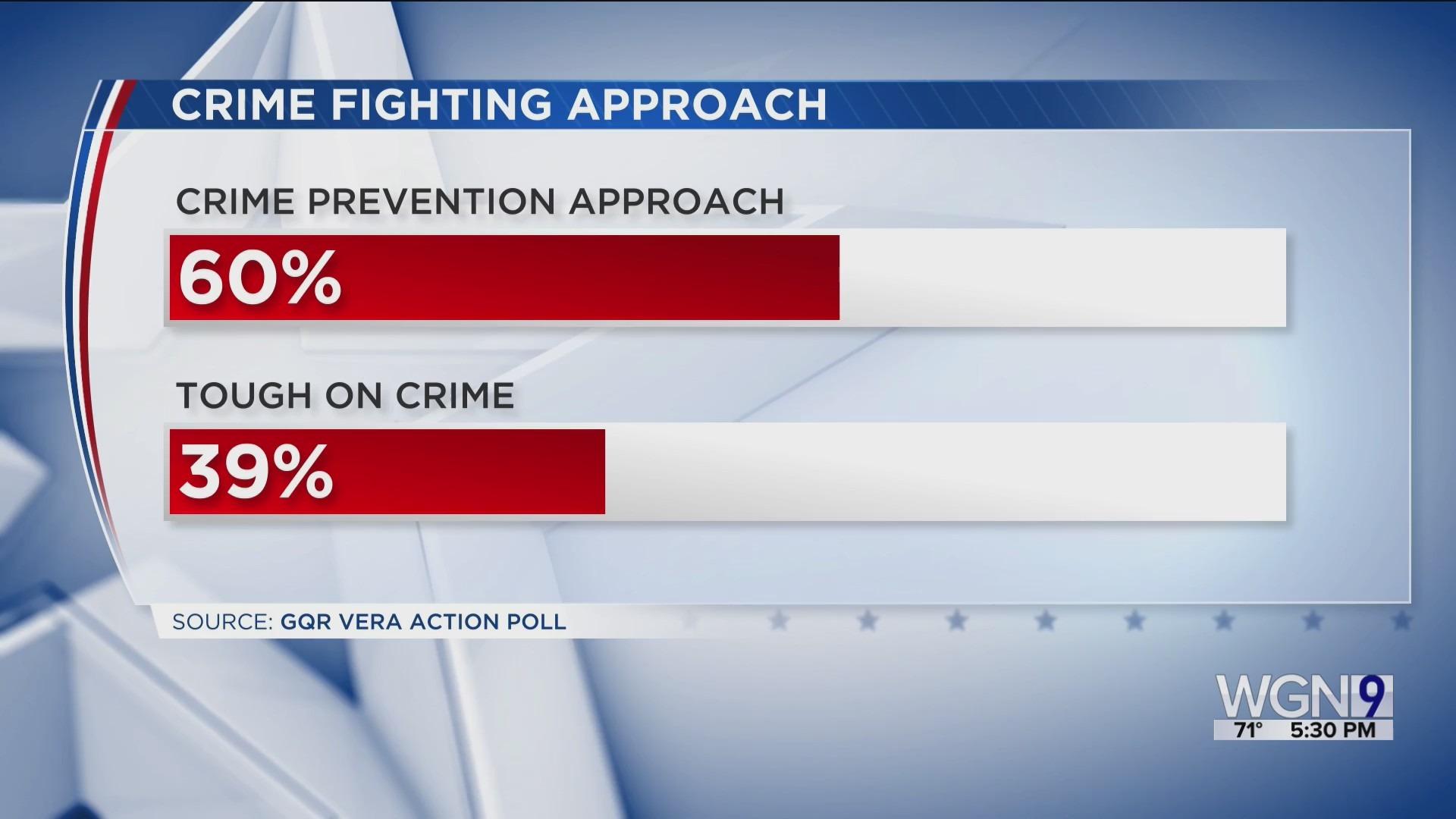
David Greising’s latest piece in the Chicago Tribune critically examines the city’s multifaceted strategy to combat crime, highlighting inherent flaws in Chicago’s “throw-everything-at-it” approach. As the city grapples with persistent violence and rising public safety concerns, Greising delves into how the aggressive deployment of resources and policies may be falling short of delivering sustainable results. This analysis offers a sobering look at the complexities and consequences of Chicago’s crime-fighting tactics, raising questions about the effectiveness and long-term impact of its current methods.
Chicago’s Crime Strategy Under Scrutiny
Chicago’s current anti-crime efforts have come under fire for their broad and unfocused tactics, raising questions about efficacy and resource allocation. Critics argue that the city’s strategy resembles an indiscriminate “throw-everything-at-it” approach, lacking the precision needed to address root causes and measurable outcomes. The sprawling initiatives, from increased policing to community programs, risk overextending the city’s capacity without a cohesive framework to evaluate success or failure.
Experts suggest that refining priorities could yield better results, emphasizing targeted interventions over volume-driven policies. Key points of concern include:
- Resource Dilution: The dispersal of funds often leaves critical programs underfunded and sporadic in impact.
- Lack of Coordinated Metrics: Without consistent data-driven assessments, it is difficult to identify what strategies truly reduce crime.
- Community Relations: Broad police enforcement tactics may undermine trust-building efforts with neighborhoods most affected by violence.
| Approach | Strength | Weakness |
|---|---|---|
| Increased Patrols | Rapid response | Alienates communities |
| Youth Outreach Programs | Long-term prevention | Inconsistent funding |
| Technology Investments | Data collection enhancement | Limited real-time effectiveness |
The Consequences of Overloading Resources
Chicago’s strategy to combat crime has often leaned heavily on deploying a vast array of resources simultaneously. However, this aggressive multitasking can lead to unintended consequences. Agencies stretched thin risk inefficiency, with critical units losing focus and effectiveness. The result is a fragmented criminal justice response where no single tactic is given the full attention it requires, ultimately diluting overall impact. Overloading resources also creates administrative chaos, where overlapping duties produce confusion instead of clarity.
Moreover, this approach strains budgets and personnel, fostering burnout and high attrition rates among officers and staff. Rather than enhancing community safety, it can erode trust, as residents witness a system overwhelmed by its own complexity. Consider this breakdown of challenges linked to overloading resources:
- Diminished operational focus: essential crime-fighting efforts become scattered.
- Resource misallocation: funds and manpower spread thin across too many initiatives.
- Increased response times: coordination issues slow down critical interventions.
- Community disengagement: lack of consistent results breeds frustration and distrust.
| Impact Area | Consequence |
|---|---|
| Police Efficiency | Reduced due to divided priorities |
| Budgets | Quickly depleted by overlapping programs |
| Community Relations | Strained by inconsistent policing |
| Officer Morale | Negatively affected by overload and stress |
Community Impact and Public Trust Challenges
The city’s aggressive crime-fighting strategy, while ambitious, has inadvertently strained relationships between law enforcement and local communities. Residents often feel targeted rather than protected, leading to widespread skepticism about police intentions. This disconnect has been particularly pronounced in neighborhoods hardest hit by crime, where aggressive tactics can come off as punitive rather than preventative. Community trust is eroding, making cooperation with authorities—vital for sustainable crime reduction—much harder to achieve.
- Rise in complaints against excessive use of force
- Decreased willingness to report crimes or cooperate
- Polarization between different city districts
- Challenges in implementing community-led safety initiatives
The public’s perception of fairness in policing tactics often lags behind law enforcement goals, widening the trust gap. Data collected from recent surveys show a correlation between aggressive enforcement and declining public confidence in the police. The table below summarizes key findings from a recent citywide poll on perceptions of safety and police effectiveness:
| Neighborhood | Trust in Police (%) | Feel Safe Walking at Night (%) | Reported Positive Interaction (%) |
|---|---|---|---|
| West Side | 28 | 35 | 12 |
| South Side | 32 | 40 | 15 |
| North Side | 54 | 75 | 45 |
| Downtown | 60 | 80 | 50 |
Without addressing these complex community dynamics, Chicago risks further isolating the very populations whose collaboration is essential for effective crime control and long-term public safety.
Rethinking Solutions for Sustainable Safety
Chicago’s current approach to combating crime often resembles a scattergun tactic, deploying a multitude of initiatives without a clear, cohesive strategy. This method, while ambitious, perpetuates inefficiencies and dilutes resources, ultimately hindering meaningful progress. Critics argue that the city’s inclination to adopt every available solution simultaneously results in fragmented efforts that fail to address the root causes of violence. Instead of overwhelming the system with broad programs, there is a pressing need to prioritize targeted interventions that deliver measurable, long-term impacts.
Key factors demanding attention include:
- Strategic allocation of funding based on data-driven outcomes
- Strengthening community-police partnerships to foster trust
- Implementing prevention programs centered on youth engagement and education
- Enhancing accountability and transparency within law enforcement agencies
| Initiative Type | Focus Area | Impact Potential |
|---|---|---|
| Violence Interruption | Conflict Mediation | High |
| Youth Programs | Education & Mentorship | Medium |
| Police Reform | Accountability | High |
| Community Investment | Infrastructure | Low |
The Way Forward
In conclusion, David Greising’s critical examination of Chicago’s all-encompassing strategy to combat crime underscores the inherent flaws in attempting to address complex issues through sweeping measures. His insights invite policymakers, law enforcement, and the community to rethink current practices and consider more targeted, sustainable solutions. As Chicago continues to grapple with public safety challenges, the conversation sparked by Greising’s analysis serves as a crucial reminder that effective crime reduction requires a balanced, evidence-based approach rather than a one-size-fits-all response.